
Home renovation is more than a construction project. It is a complete transformation of how homeowners experience comfort, functionality, and long-term value within their living spaces. In communities throughout Iowa, renovation projects have become increasingly focused on personalization, energy efficiency, and lifestyle-driven design. Companies like Compassion Builders Inc. have established a strong reputation by emphasizing craftsmanship, communication, and organized project management from the earliest planning stages to final completion.
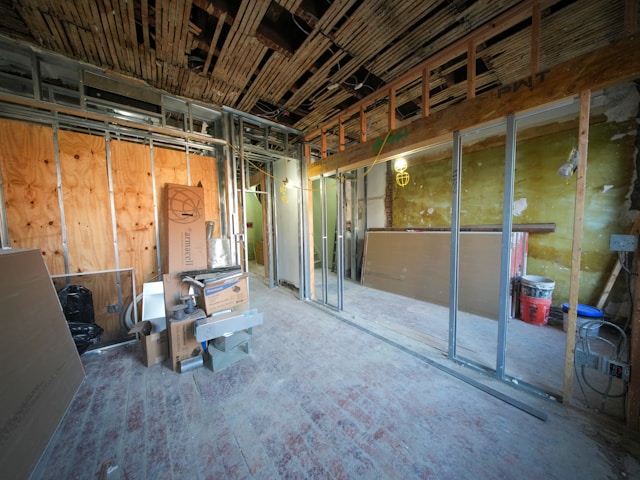
The renovation process often begins long before demolition starts. Successful remodeling depends on careful planning, realistic budgeting, strategic material selection, and clear communication between contractors and homeowners. Today’s homeowners want transparency and consistency throughout every phase of construction, especially when projects involve kitchens, bathrooms, basements, or whole-home renovations. Compassion Builders Inc. follows a structured remodeling approach designed to create efficient workflows while minimizing stress for homeowners during construction.
Understanding the Initial Consultation Phase
Every successful renovation begins with a detailed consultation. This stage allows homeowners and contractors to discuss goals, design preferences, budget expectations, and project timelines before construction begins. The consultation phase also helps establish trust and communication between both parties.
For remodeling professionals, understanding the homeowner’s vision is essential. Renovation projects are highly personal because they affect the daily lives of families and the long-term functionality of the home. Compassion Builders Inc. focuses on identifying the practical needs of homeowners while also helping them create spaces that reflect their personal style and lifestyle priorities.
The initial consultation also includes evaluating the existing structure of the home. Contractors inspect walls, flooring, plumbing systems, electrical layouts, insulation, and other structural components to determine potential limitations or opportunities for improvement. In Iowa homes, especially older properties, contractors often encounter issues related to outdated electrical systems, moisture concerns, or insufficient insulation that must be addressed during renovation planning.
During this phase, homeowners may discuss:
- Desired room layouts
- Storage solutions
- Material preferences
- Lighting improvements
- Energy-efficiency upgrades
- Budget expectations
- Construction timelines
This early planning stage creates the foundation for the entire renovation process.
Design Development and Project Planning
Once the consultation phase is complete, the project moves into design development and planning. This is where ideas become actionable construction plans. The design phase combines creativity with technical problem-solving to ensure the finished space is both visually appealing and structurally functional.
Detailed planning often includes:
| Planning Component | Purpose |
|---|---|
| Space Layout Design | Improves flow and functionality |
| Material Selection | Determines durability and aesthetics |
| Budget Planning | Controls project costs |
| Lighting Design | Enhances comfort and usability |
| Structural Evaluation | Identifies necessary reinforcements |
| Permit Coordination | Ensures code compliance |
Compassion Builders Inc. emphasizes organized project preparation before construction begins. By finalizing details early in the process, contractors can minimize delays, reduce unexpected costs, and maintain better scheduling accuracy throughout the project.
Modern remodeling projects increasingly use visualization tools and digital renderings to help homeowners better understand the final design before construction starts. These technologies improve communication and reduce misunderstandings related to layout changes, cabinetry placement, or finish selections.
Careful planning is especially important for complex remodeling projects such as basement finishing or whole-home renovations, where multiple systems and structural elements must work together seamlessly.
Budgeting and Scope Definition
One of the most critical parts of any renovation process is establishing a clear and realistic budget. Home renovation costs can vary significantly depending on labor requirements, material availability, structural modifications, and unforeseen conditions discovered during construction.
Professional remodeling companies focus on transparency during budgeting to help homeowners make informed decisions. Compassion Builders Inc. provides detailed scopes of work that outline project expectations, selected materials, and construction responsibilities before work begins.
A well-defined project scope helps reduce confusion and improves accountability throughout the renovation process. Important budgeting considerations often include:
- Material quality
- Labor costs
- Permit fees
- Contingency funds
- Timeline expectations
- Design modifications
Many experienced contractors recommend setting aside contingency funds because hidden issues are common during renovations, especially in older homes. Problems such as water damage, outdated wiring, foundation concerns, or plumbing deterioration may not become visible until demolition begins.
Budget transparency also helps homeowners prioritize upgrades that provide long-term value and functionality rather than focusing only on cosmetic improvements.
Preparing the Home for Construction
Before demolition starts, contractors must prepare the home for construction. This phase focuses on protecting the property, organizing materials, and creating safe working conditions.
Preparation often includes:
- Installing floor protection
- Creating dust barriers
- Setting up ventilation systems
- Protecting furniture and nearby rooms
- Organizing material deliveries
- Establishing clean work zones
Clean construction practices have become increasingly important in the remodeling industry. Homeowners today expect contractors to minimize dust, noise, and disruptions during renovations. Compassion Builders Inc. emphasizes clean job site management and uses dust-control systems to improve indoor air quality and maintain safer working environments.
Dust containment is particularly important during interior renovations because construction debris can spread through HVAC systems and affect other parts of the home. Professional contractors use containment barriers and air filtration systems to reduce airborne particles during demolition and sanding activities.
Proper preparation also improves efficiency because organized job sites allow crews to work more safely and productively throughout the project.
Demolition and Structural Modifications
Once preparation is complete, the renovation enters the demolition phase. This stage involves removing old materials, opening walls, and preparing the structure for updates and improvements.
Demolition requires careful planning because contractors must preserve the structural integrity of the home while exposing plumbing, electrical, and framing systems. During this stage, contractors often uncover hidden issues that were not visible during the initial inspection.
Common structural renovation tasks include:
- Removing non-load-bearing walls
- Reinforcing framing systems
- Leveling floors
- Updating support beams
- Replacing damaged subflooring
- Expanding room layouts
Open-concept living spaces remain popular among homeowners, which often requires structural modifications to combine kitchens, dining areas, and living rooms into larger shared spaces.
Basement remodeling projects frequently involve additional structural considerations because lower-level spaces may require waterproofing, insulation upgrades, or egress window installations. In Iowa climates, moisture management is especially important to maintain long-term basement durability and indoor comfort.
Compassion Builders Inc. focuses on durable construction methods and quality craftsmanship during these structural phases to ensure long-lasting renovation results.
Installing Mechanical Systems
After structural work is completed, contractors begin updating or installing the home’s mechanical systems. This phase includes electrical work, plumbing upgrades, HVAC adjustments, and ventilation improvements.
Modern renovation projects increasingly prioritize energy efficiency and technology integration. Homeowners want spaces that support modern living while reducing energy costs and improving convenience.
Common system upgrades include:
- Recessed lighting installation
- Electrical panel updates
- Smart home integration
- Plumbing rerouting
- HVAC system modifications
- Improved insulation systems
Electrical upgrades are particularly important in older homes because modern appliances and technology require more power than older electrical systems were designed to handle.
Kitchen and bathroom renovations often involve major plumbing adjustments to accommodate new fixtures, layouts, and appliances. Contractors must coordinate these installations carefully to avoid delays and ensure code compliance.
Mechanical system inspections are typically required before drywall installation begins. These inspections verify that electrical wiring, plumbing connections, and ventilation systems meet local building standards and safety requirements.
Interior Finishing and Custom Design Features
The finishing stage is where the renovation vision finally comes to life. Flooring, cabinetry, paint, lighting, countertops, trim, and fixtures are installed to complete the transformation of the space.
This phase often generates the most excitement for homeowners because visible design elements begin to define the final appearance and atmosphere of the home.
Modern homeowners increasingly prioritize personalized spaces designed around their daily routines and lifestyle needs. Popular renovation features include:
- Home offices
- Entertainment rooms
- Spa-inspired bathrooms
- Large kitchen islands
- Built-in storage systems
- Multifunctional basements
Basements have evolved significantly in recent years. Rather than serving solely as storage areas, many homeowners now transform basements into gyms, guest suites, family rooms, or home theaters.
Material selection also plays a major role in both aesthetics and long-term maintenance. Durable flooring, moisture-resistant products, and energy-efficient windows are commonly recommended for long-lasting performance.
Compassion Builders Inc. focuses on craftsmanship during the finishing stage because small details often determine the overall quality and appearance of the completed renovation.
Communication Throughout the Remodeling Process
Clear communication is one of the most important factors in a successful renovation experience. Homeowners want regular updates regarding schedules, construction progress, and any necessary project adjustments.
Professional remodeling companies prioritize communication by providing:
- Project timeline updates
- Progress meetings
- Material delivery coordination
- Change order discussions
- Budget tracking
- Inspection scheduling
Consistent communication reduces misunderstandings and helps homeowners feel more confident throughout the construction process. Renovation projects can be stressful, especially for families living in the home during construction, so transparency is essential for maintaining trust and organization.
Compassion Builders Inc. emphasizes professionalism and homeowner communication throughout each stage of the remodeling process. Maintaining organized workflows and responsive communication helps projects move more efficiently while improving the overall customer experience.
Final Walkthrough and Quality Assurance
As construction nears completion, contractors focus on quality assurance and final project inspections. This stage includes correcting minor imperfections, testing systems, and reviewing completed work with the homeowner.
Quality-control inspections often include:
- Cabinet alignment checks
- Fixture testing
- Paint touch-ups
- Flooring inspections
- HVAC performance verification
- Trim and finish evaluations
The final walkthrough allows homeowners to review the completed project and identify any remaining adjustments before project closeout. Contractors also provide maintenance recommendations and warranty information related to installed materials and workmanship.
Attention to detail during this phase reflects the overall professionalism of the remodeling company. Compassion Builders Inc. emphasizes that craftsmanship should never be sacrificed for speed, reinforcing the importance of careful final inspections and durable construction standards.


